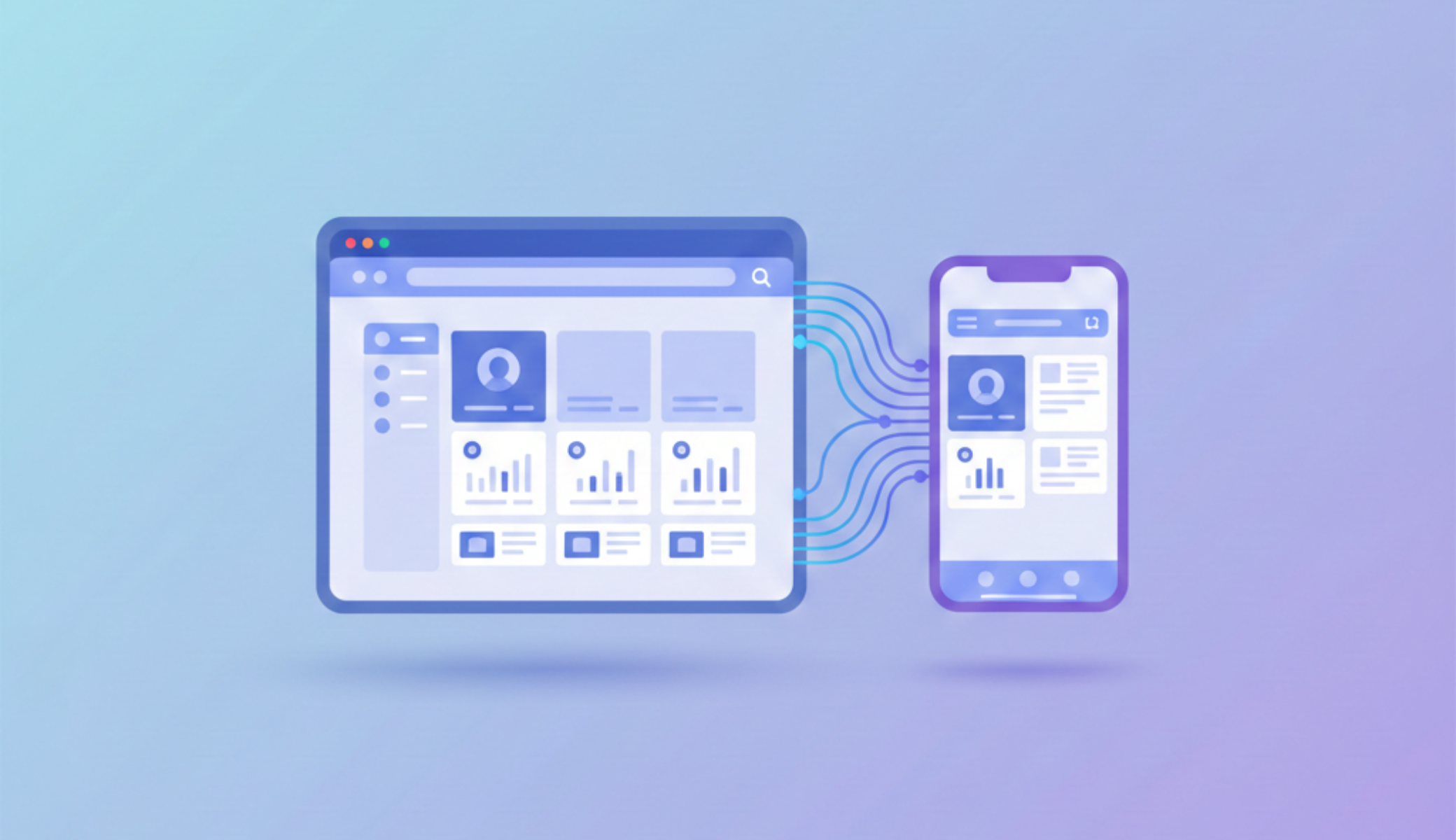
The debate is timeless, but the context changes every year. As a premier ecommerce development company, we are constantly asked: "Should I invest in a sleek mobile app or double down on my website for my online store in 2026?"
The answer is no longer a simple binary choice. With mobile commerce projected to account for a staggering 73% of all e-commerce sales , the stakes are higher than ever. Consumers now spend 88% of their mobile time in apps rather than mobile browsers , yet websites remain the cornerstone of digital discovery.
To determine the best path for your business in 2026, you must understand the distinct roles of mobile apps vs websites. This guide breaks down the comparison by performance, engagement, cost, and future trends to help you make a strategic decision.
The Core Difference: Acquisition vs. Retention
Before diving into the data, it is vital to understand the primary function of each platform.
A mobile website acts as your digital storefront. It is the public face of your brand, optimized for search engines to drive new user acquisition . It is designed for discovery.
A mobile app, conversely, lives on the user's device. It is a destination for your most loyal customers. It leverages device features and push notifications to drive repeat business and maximize customer lifetime value (LTV) .
The winning strategy in 2026 often involves a hybrid approach, but your starting point depends entirely on your immediate business goals.
Round 1: Performance and Speed
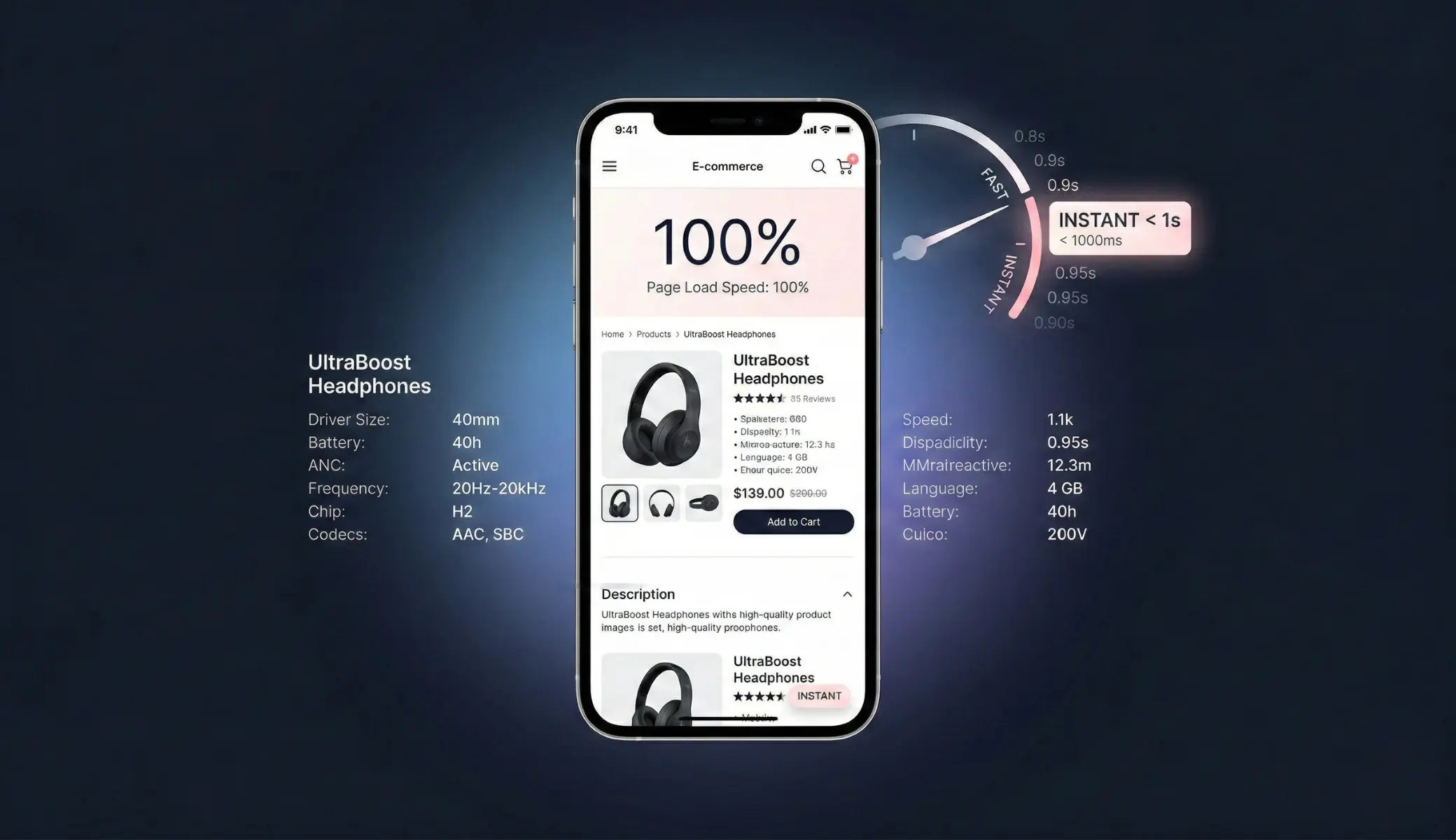
In the world of online retail, speed is revenue.
Mobile Websites: Modern, mobile-optimized websites have come a long way. Technologies like Accelerated Mobile Pages (AMP) and Progressive Web Apps (PWAs) have narrowed the gap significantly . However, mobile websites are still dependent on internet connectivity and browser performance. Data shows that 53% of mobile users abandon sites that take longer than three seconds to load .
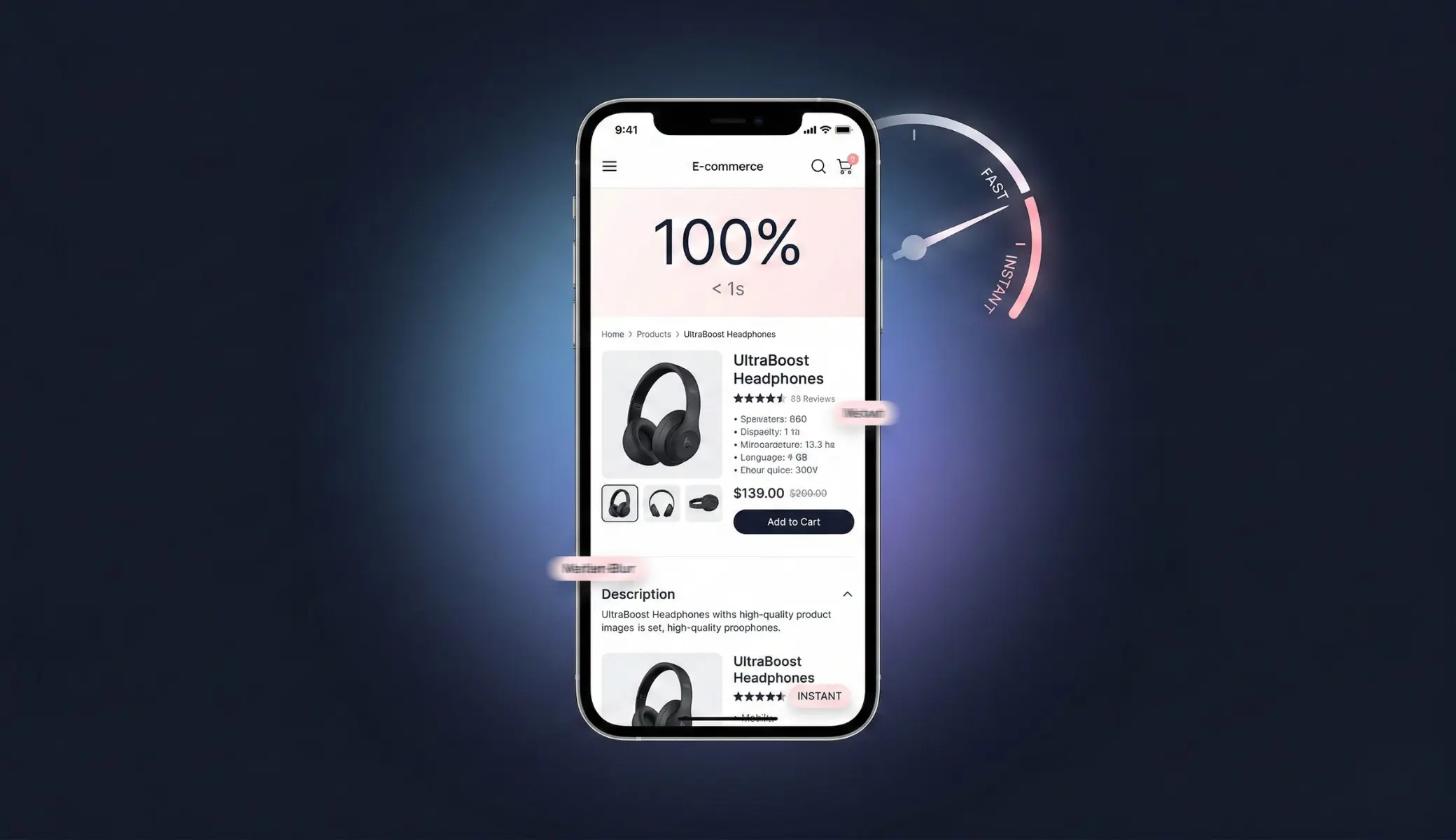
Mobile Apps: Apps have an inherent speed advantage. They store design elements and data locally on the device. This allows for offline functionality—users can browse catalogs or view order history even without an internet connection . Well-designed retail apps can load product pages in under one second, leading to conversion rates that are often 3x higher than mobile websites .
Winner: Mobile App. For a seamless, instant user experience, apps lead significantly.
Round 2: User Engagement and Retention
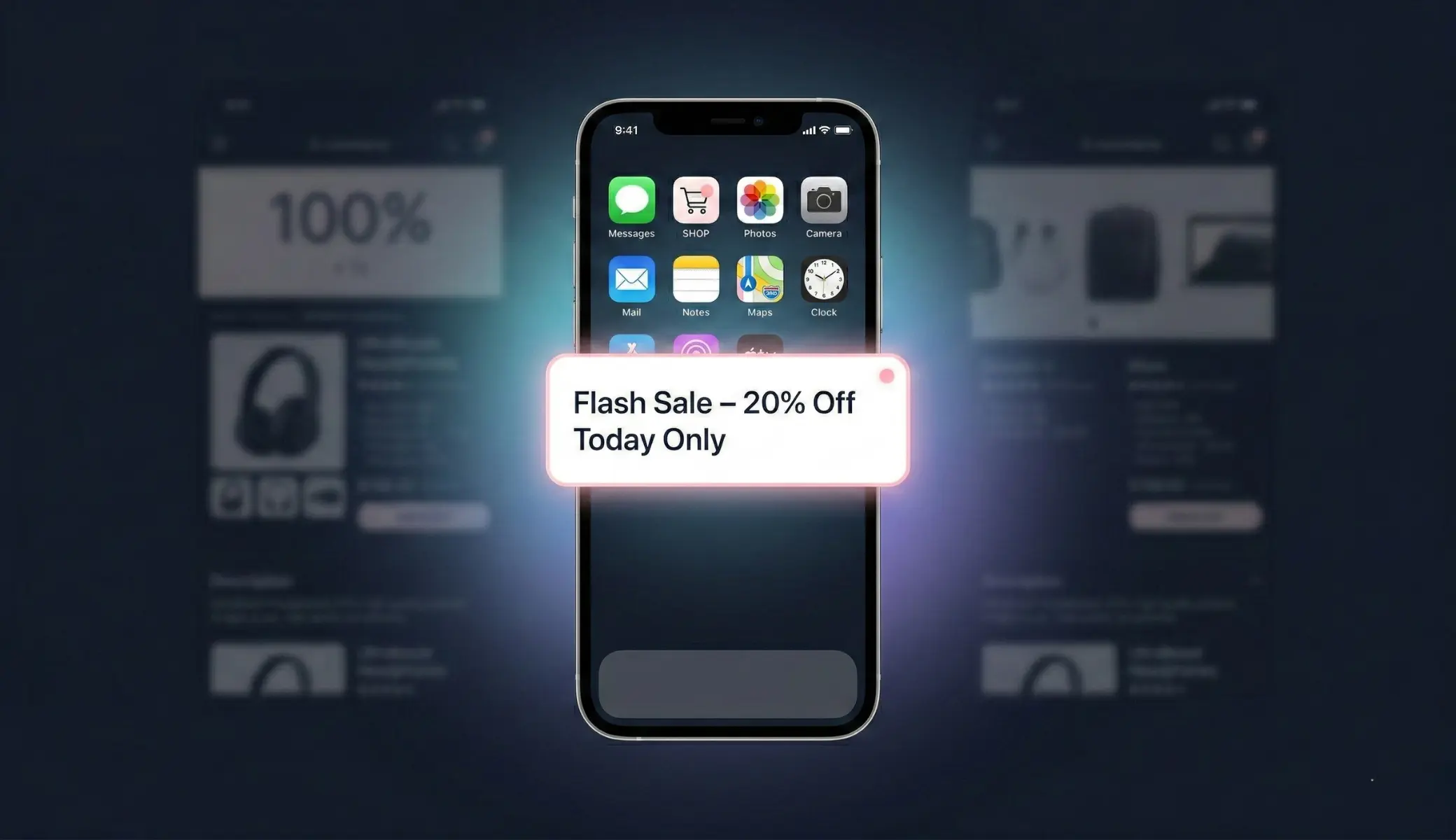
Getting a customer to your site is one thing; getting them to come back is another.
Mobile Websites: Retention for websites relies heavily on email marketing and SEO. Users must remember your URL, find you via search, or click an email link to return. While effective for acquisition, this creates a high-friction path for repeat visits . Monthly retention rates for mobile websites typically hover around 15-25% .
Mobile Apps: Apps live on the home screen. This persistent presence, combined with the power of push notifications, transforms engagement. Push notifications boast open rates of 50-60% , compared to the 15-25% of email . This is why the average retail app sees 35-45% of users returning monthly . Furthermore, users who download retail apps demonstrate 3-6x higher lifetime values than web-only customers .
Winner: Mobile App. If your business model relies on frequency (e.g., groceries, fashion, consumables), an app is indispensable .
Round 3: Personalization and AI
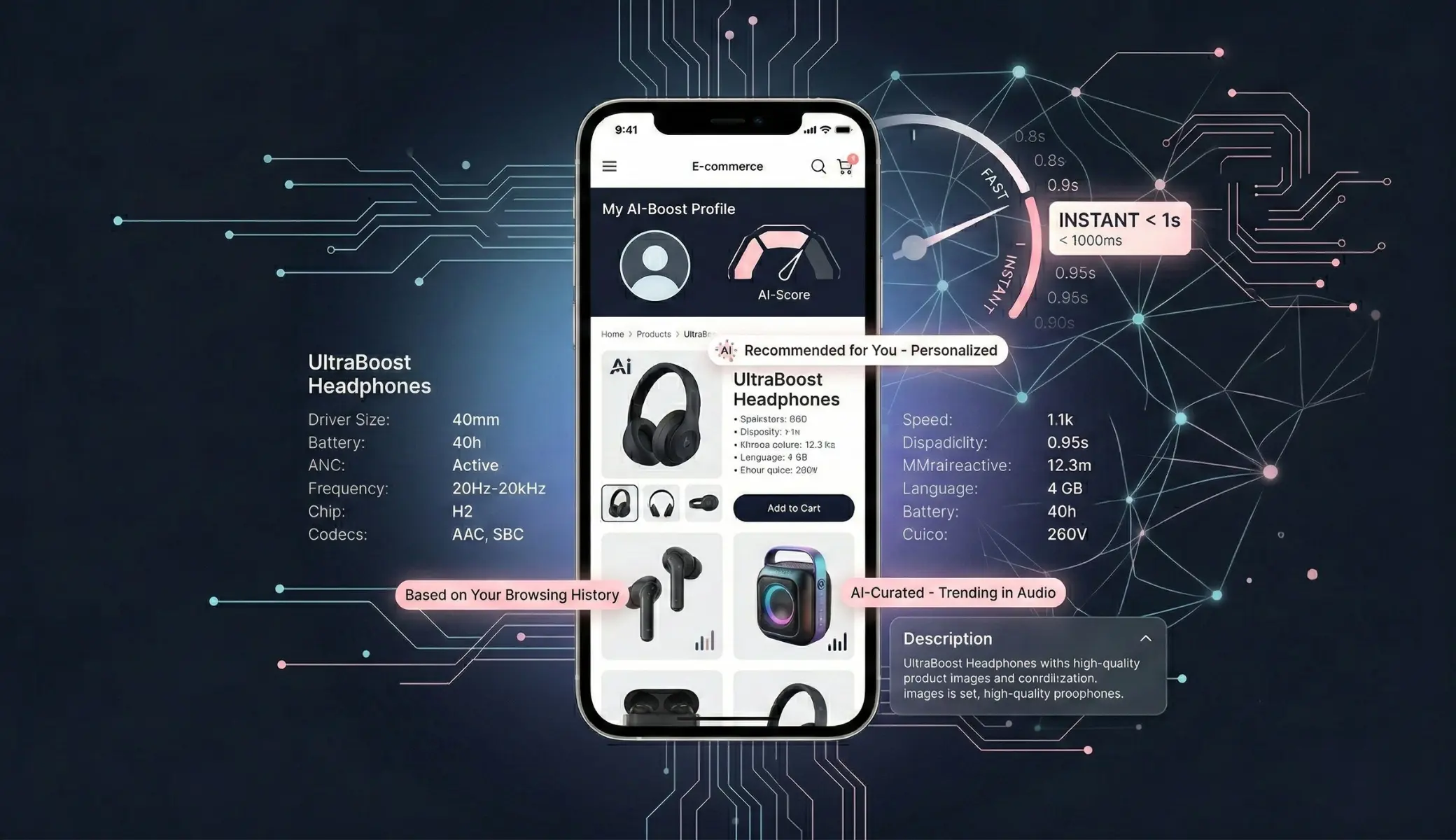
In 2026, generic shopping experiences are no longer acceptable. Customers demand hyper-personalization.
Mobile Websites: Websites can utilize cookies and browsing history to offer basic product recommendations. However, increasing privacy regulations and browser restrictions are limiting the depth of this data .
Mobile Apps: This is where apps pull ahead. AI-native apps can collect rich data sets, including detailed browsing patterns, time spent viewing items, and location data . This data feeds machine learning algorithms that deliver:
Predictive Recommendations: Anticipating what a user needs before they search.
Dynamic Pricing: Offering personalized discounts based on user behavior.
Agentic Commerce: AI agents that act as personal shopping assistants to handle reorders and inquiries autonomously .
Winner: Mobile App. Apps provide 4-5x more data points, enabling a level of personalization that websites cannot match .
Round 4: Discovery and SEO
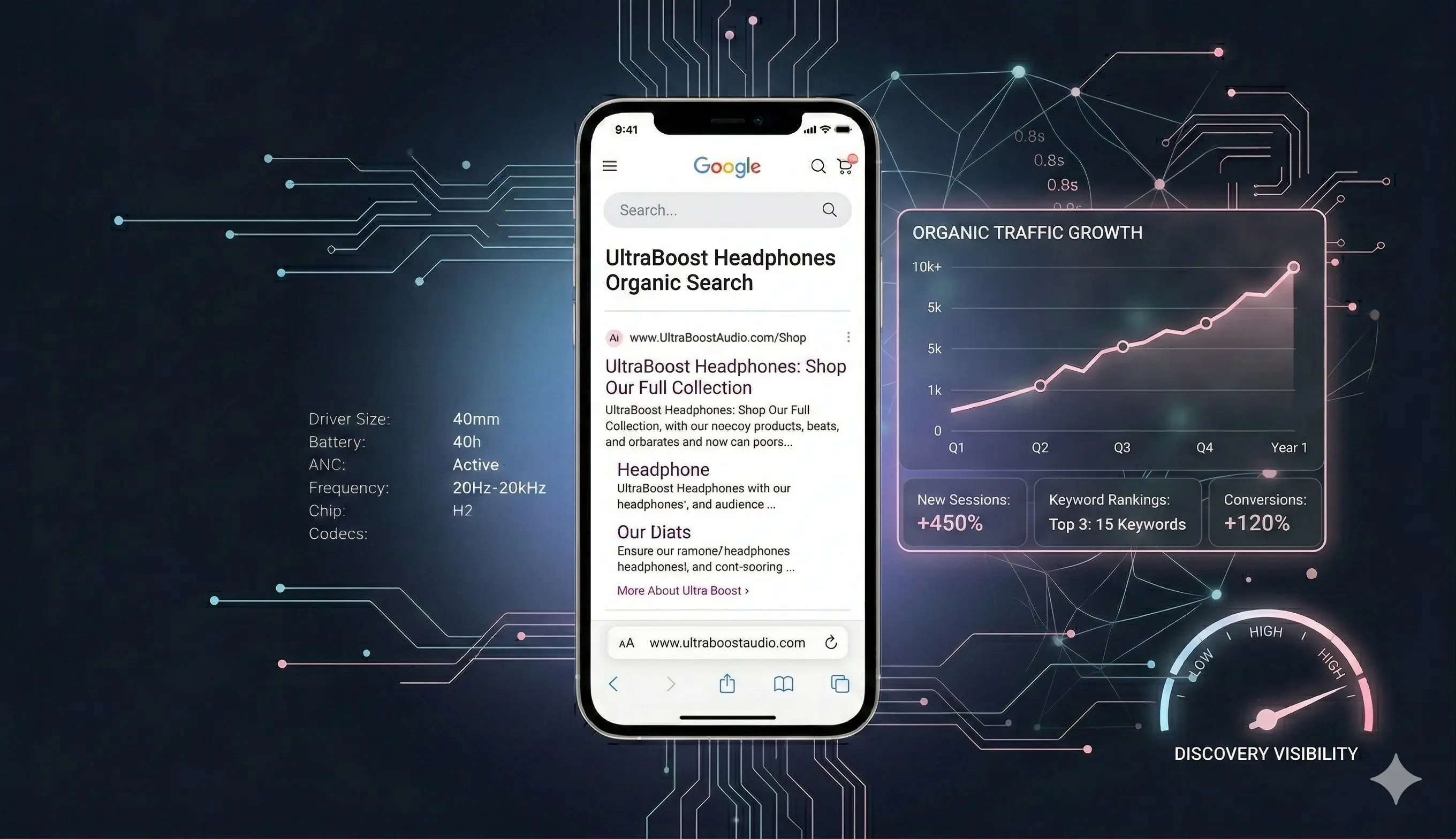
While apps excel at retention, they struggle with discovery.
Mobile Websites: A well-structured, mobile-optimized website is essential for organic discoverability . Google’s mobile-first indexing prioritizes sites that load fast and offer clear content. If you want new customers to find you via Google, Bing, or social media links, a website is non-negotiable.
Mobile Apps: Apps are "walled gardens." Users must know they want your app to download it from the App Store or Google Play. App Store Optimization (ASO) exists, but it cannot compete with the vast reach of search engine traffic. Acquisition costs for app users are high, ranging from $2.50 to $12 per install .
Winner: Mobile Website. For casting a wide net and attracting new traffic, a website is the foundational tool.
Round 5: Cost and Time to Market
Budget is always a deciding factor in the mobile app vs website debate.
Mobile Websites: A comprehensive e-commerce website with responsive design typically costs between $18,000 and $45,000 to develop, with a timeline of 2-4 months . Ongoing maintenance is relatively low-cost, ranging from $600 to $2,500 monthly .
Mobile Apps: Native app development is a heavier investment. For a feature-rich retail app on both iOS and Android, initial costs range from $35,000 to $110,000 . Maintenance is also higher ($1,200 to $6,000 monthly) due to OS updates and device fragmentation . For startups validating an idea, a website or a Shopify store is usually the faster, more affordable path .
Winner: Mobile Website. The lower barrier to entry makes websites the best choice for new businesses.
The 2026 Game Changer: Headless Commerce
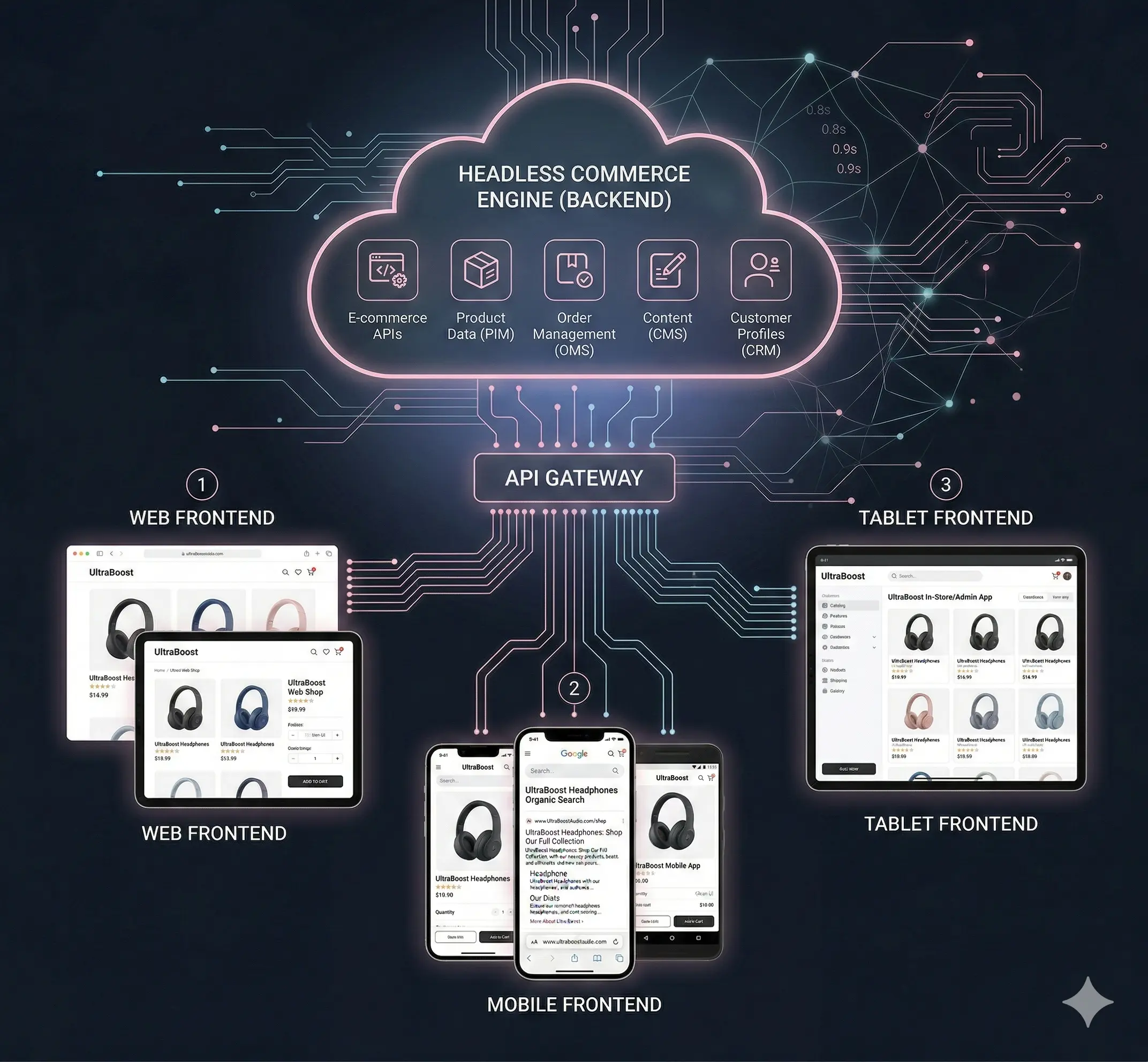
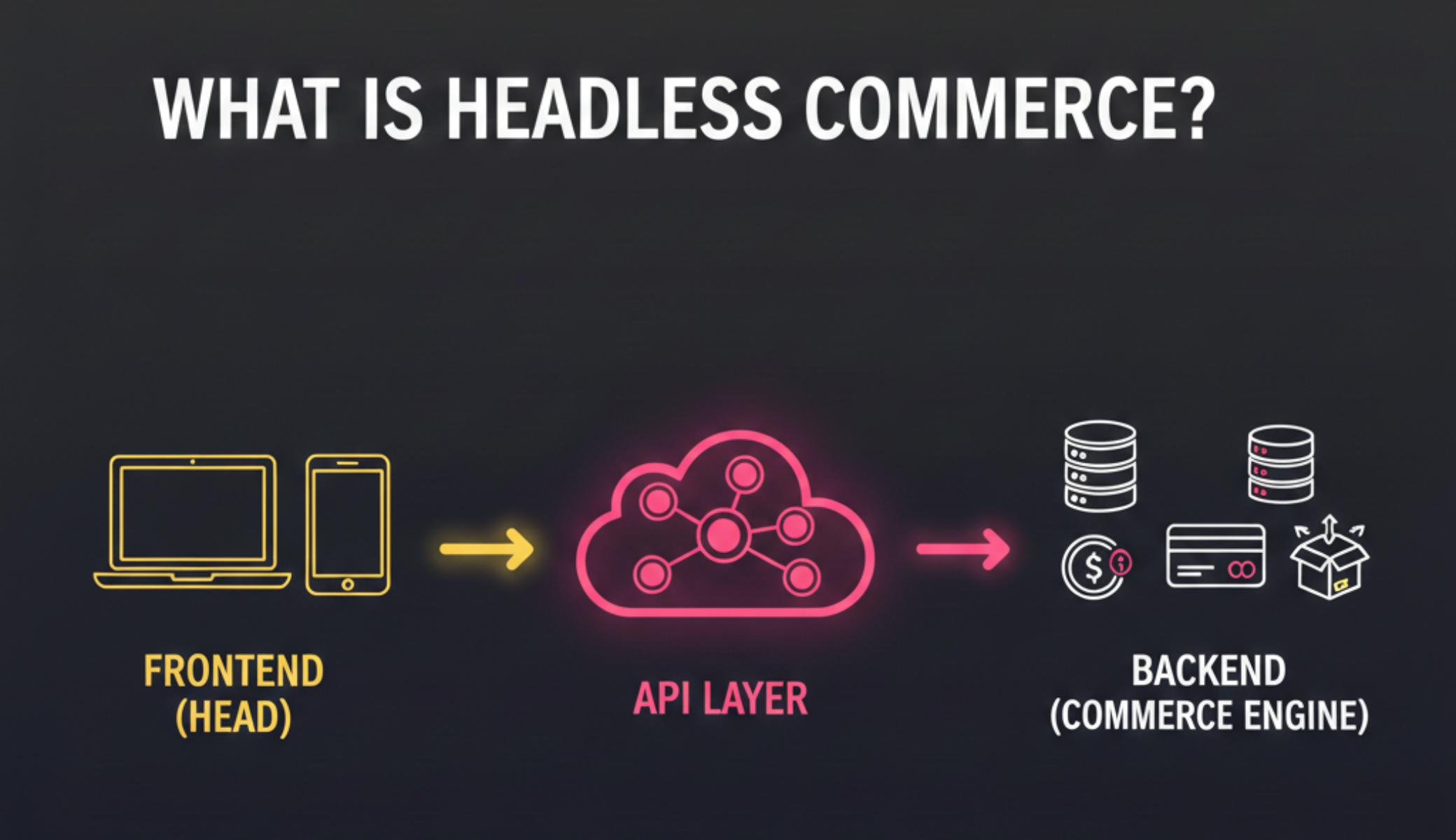
If you don't want to choose, the technology of 2026 allows you to have the best of both worlds. Headless commerce is the dominant trend for scalable online stores .
In a traditional setup, the front end (what users see) and the back end (data and logic) are tightly coupled. Headless commerce decouples them .
The Benefit: You can keep a robust backend (like Shopify or BigCommerce) for managing products and payments, while using modern frameworks (like React or Next.js) to build lightning-fast frontends for both your website and your mobile app.
Real-World Impact:
Furniture brand Burrow saw a 30% increase in conversion rate and a 50% improvement in site speed after adopting a headless architecture .
Sneaker brand Koio achieved 4x faster page loads and reduced bounce rates by 76% with a headless setup .
A beauty brand using headless commerce successfully integrated with TikTok's in-app shopping, boosting sales by 25% .
For a development company, this is the perfect solution to offer clients: a unified strategy that combines the discoverability of a website with the engagement of an app.
Decision Framework: What Should You Choose?
To help your business decide, ask yourself these questions:
Build a Mobile Website (or PWA) if:
You are just starting out and need to validate your business model .
Your primary goal is to be found on Google (SEO is your main channel) .
You sell products that customers buy infrequently (e.g., furniture, large appliances) .
You have a limited budget for initial development .
You operate in B2B and need to offer complex catalogs, custom pricing, and quick reorder functionalities, which modern B2B websites handle exceptionally well .
Build a Mobile App if:
You have an established customer base (e.g., 5,000+ active customers) ready to download .
Your products are bought frequently (groceries, supplements, fashion) .
You need to leverage device hardware (GPS, camera for AR, biometrics) .
Your business model relies on push notifications and real-time updates (food delivery, logistics) .
You want to build a high-value loyalty program to maximize customer retention .
Conclusion: The Unified Future
So, which is better in 2026? It depends on your goal.
For customer acquisition, a mobile-optimized website remains king.
For customer retention and maximizing LTV, a mobile app is unmatched.
However, the most successful online stores are no longer viewing this as an "either/or" scenario. They are investing in custom e-commerce solutions—often through headless commerce—that allow them to maintain a powerful website for SEO while offering a rich, personalized app experience for their best customers .
As a full-service app and website development company, we help you navigate this complex landscape. Whether you need a high-performance B2B e-commerce website, a consumer-facing AI-powered mobile app, or a unified headless platform, we build the technology that grows your business.
Ready to build your 2026 e-commerce strategy? Contact Us for a free consultation.