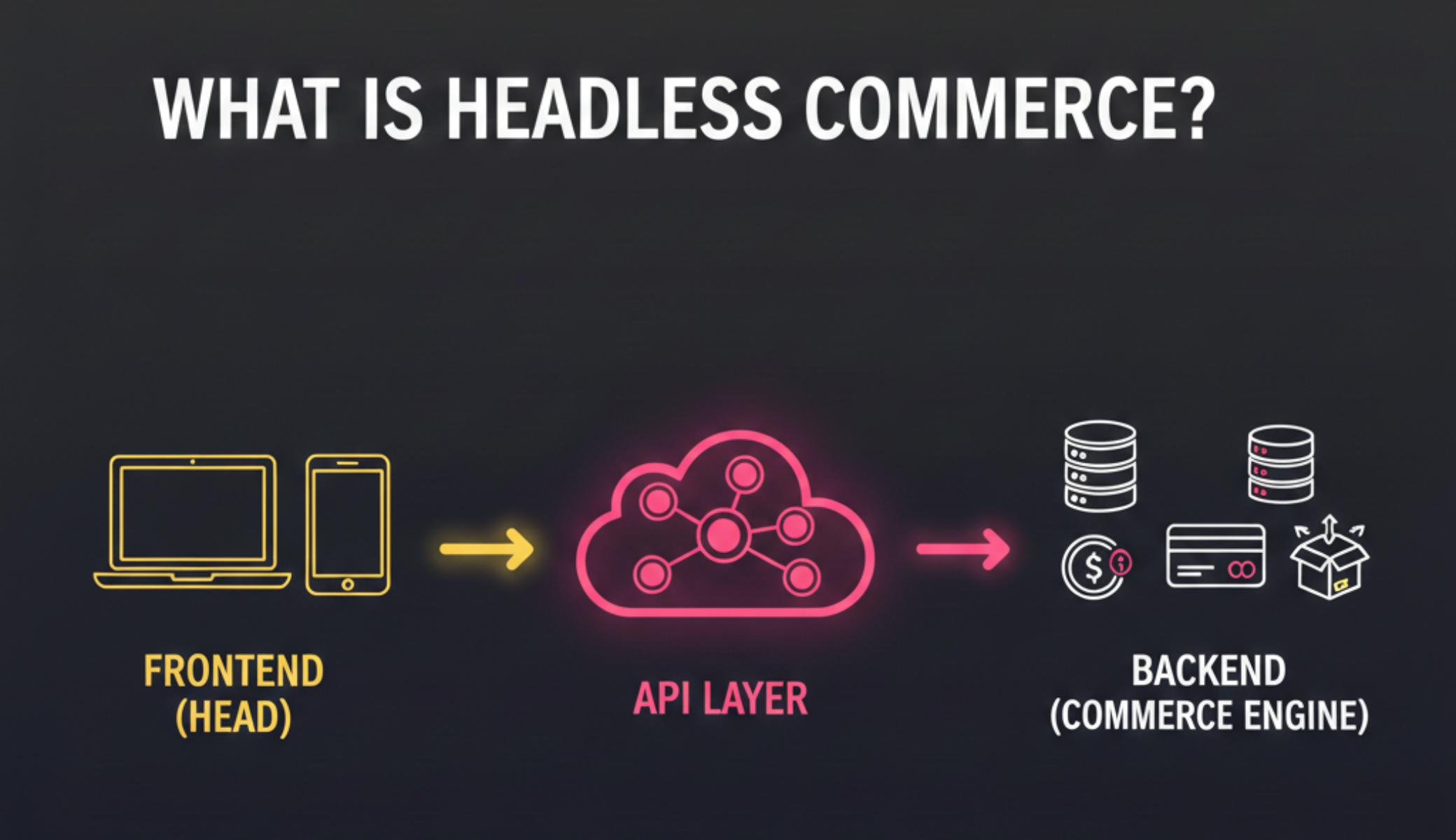
The e-commerce landscape is rapidly evolving. Headless commerce is a modern architecture where the front-end (“head”) of your store is decoupled from the back-end (“body”). In practical terms, this means the customer-facing interface (web, mobile app, kiosk, etc.) is managed separately from the underlying commerce platform via APIs. According to recent data, about 73% of businesses now operate headless architectures, a trend fueled by its measurable benefits. Headless commerce allows developers to update the UI without touching the back end, enabling much greater flexibility, speed, and personalized omnichannel experiences. Let’s unpack what headless commerce is, how it works, and why it’s so powerful for modern retailers.
Figure: A customer completing a mobile checkout – an example of a headless commerce front end (mobile app) separate from the commerce engine. This image illustrates how headless commerce supports seamless shopping across devices. The front end (on the phone) communicates with the commerce “body” via APIs, enabling developers to tailor the mobile experience independently of the backend systems.
How Headless Commerce Works
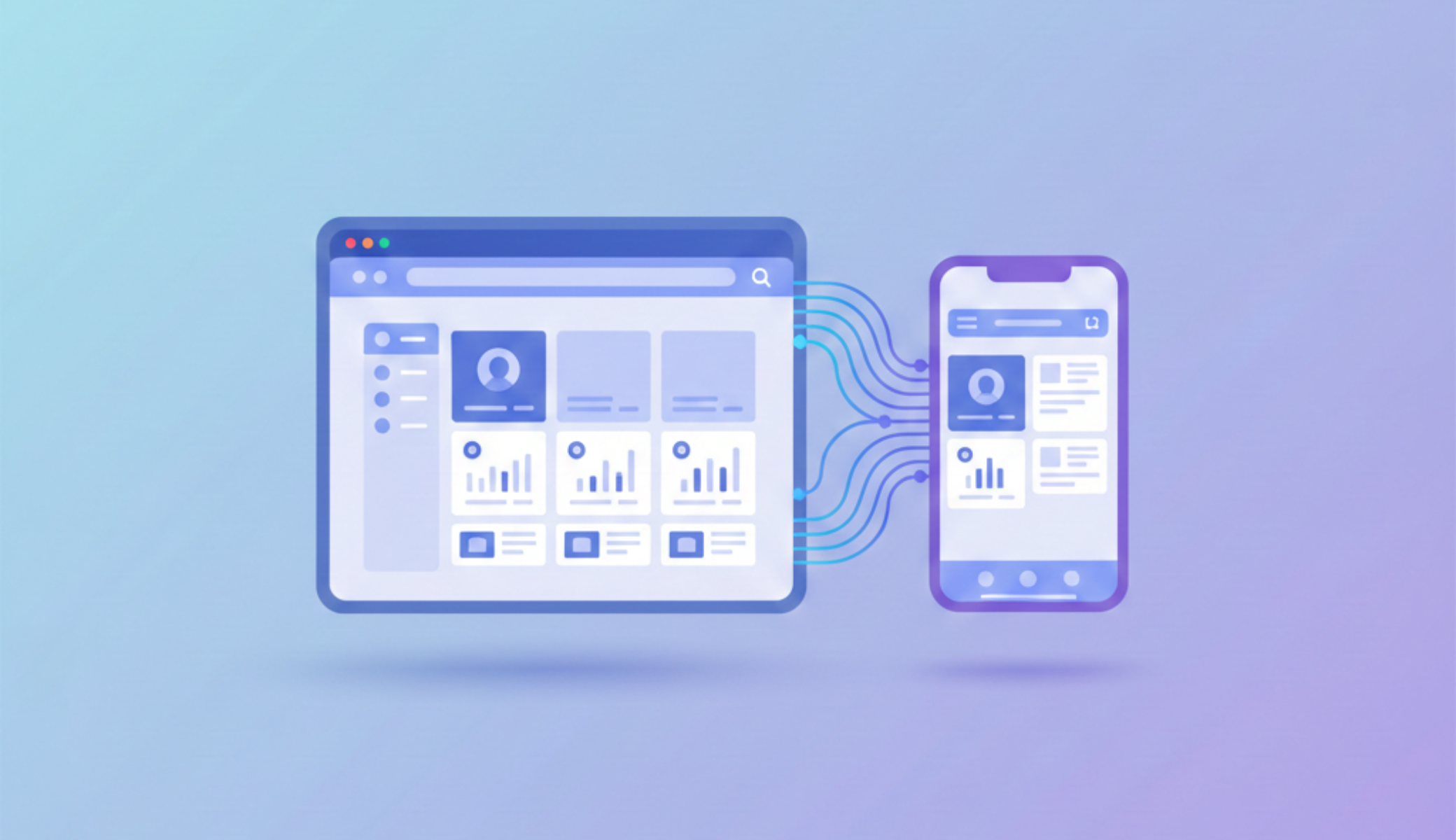
In a headless setup, the commerce backend exposes data and functionality through APIs, and multiple front ends (websites, mobile apps, IoT devices, etc.) consume those APIs. The diagram below contrasts headless vs. traditional architectures:
Figure: Headless vs. Monolithic architecture. Headless commerce allows multiple front ends (“heads”) to connect to the commerce back end via an API layer. In a traditional monolithic system, a single frontend is tied to a rigid backend.
Under the hood, when a customer interacts with a front end (e.g. clicks a product), that UI sends an API request to the backend. The backend processes inventory, orders, and other logic, then returns data (usually JSON) to the UI. For example, a JavaScript front end might fetch products like:
fetch('https://api.mycommerce.com/products')
.then(res => res.json())
.then(products => {
/* render products on the page */
console.log(products);
});
Here, the front end is agnostic of how the backend processes data – it simply consumes API responses. As Yotpo explains with a restaurant analogy: the backend is like the kitchen (preparing orders) and the various front ends (website, app) are dining rooms or delivery channels, with APIs acting as the waiters carrying orders between them. This decoupling provides immense flexibility: you can redesign or optimize the front end without disrupting the commerce engine, and vice versa.
Advantages of Headless Commerce
Headless commerce offers several key benefits for merchants:
- Greater Flexibility: The front-end developers can use any technology or framework (React, Vue, Flutter, etc.) and redesign the UI at will. Adobe notes that headless systems “empower merchants with multichannel sales models” and full control over the customer experience.
- Scalability: You can scale or update front-end channels and back-end services independently. For example, you might add a new mobile app or Kiosk frontend without re-platforming the backend. Enterprise cases show ~79% of headless users report strong scalability benefits.
- Faster Performance: Decoupled front ends tend to be faster. Yotpo highlights that headless front ends use lightweight frameworks optimized for speed; studies show every 1-second improvement in page load can boost conversions by ~20%. Faster loading and snappier interfaces directly translate to better user experience and SEO.
- Higher Conversions: With flexibility and speed come conversions. One report found businesses implementing headless see an average 42% increase in conversion rates. This lift comes from being able to quickly A/B test and refine the customer journey on any channel.
- Omnichannel & Personalization: A headless backend can feed any front end, enabling consistent, omnichannel experiences. Once product and customer data live in a unified API-driven backend, you can spin up new “heads” (e.g. PWA, IoT sales channel) without rebuilding core systems. Personalized promotions and content can be delivered across every touchpoint seamlessly.
In summary, headless architecture reduces dependency between layers, allowing brands to innovate rapidly. As Adobe summarizes, headless commerce provides “multichannel sales models and the ability to deliver truly personalized customer experiences”.
Is Headless Commerce Right for Your Business?
Headless commerce has moved from niche to mainstream. For large enterprises, it’s often the default: surveys indicate 67% of enterprise retailers are either using or planning to adopt headless systems. In fact, nearly 73% of businesses overall report using a headless approach. The global headless market itself is booming – projected to reach about $1.74 billion by 2025.
However, going headless is a strategic investment. It typically requires more development effort and integration work than a turnkey SaaS store. Smaller businesses or startups with simple catalogs may prefer standard platforms (Shopify, BigCommerce, etc.) for a quicker launch. That said, modern “headless-friendly” platforms (e.g. Shopify Plus, BigCommerce, Swell, commercetools) and tooling (Next.js, Strapi, Contentful) make it easier than ever to adopt headless incrementally.
Key considerations: If you need unique storefronts, rapid channel expansion, or fine-grained personalization, headless is a powerful choice. If your needs are straightforward and you need to launch ASAP, a traditional platform might suffice. Companies often start with a hybrid approach, gradually decoupling aspects like checkout or promotions into headless services as they scale.
Next Steps: Going Headless
Headless commerce offers unmatched flexibility for ambitious e-commerce businesses. By decoupling your front end from your commerce engine, you future-proof your store for new channels and innovations.
If you’re considering a headless architecture and need guidance on implementation (platform selection, API integration, or migration strategy), contact our team. We specialize in building modern, API-driven e-commerce experiences that leverage headless power.